GRI Design System
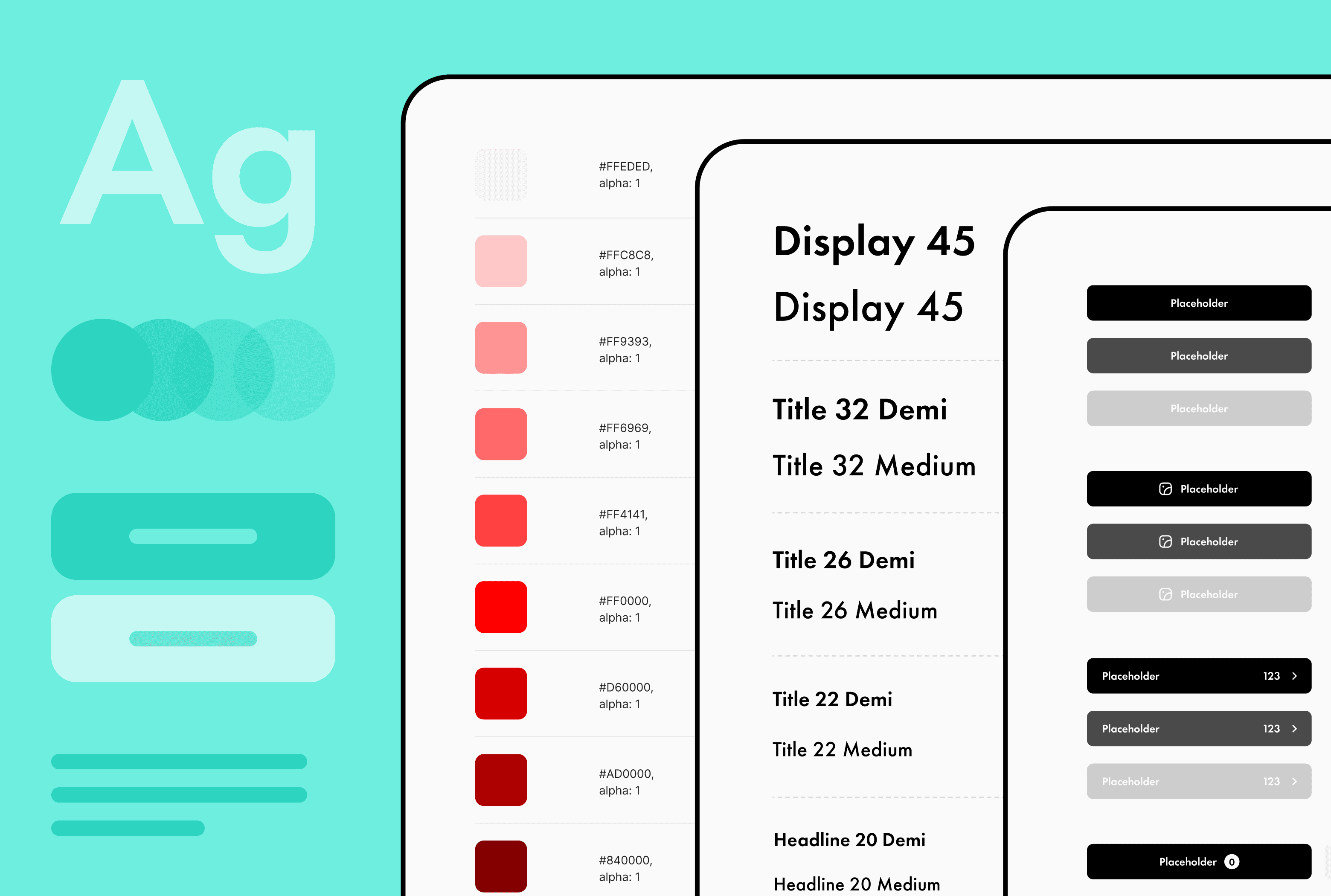
The GRI Design System is a cross-platform foundation built to unify design and development across iOS, Android, and Web for a B2B application used by salespeople and managers.
Solution
We developed the GRI Design System as a structured, cross-platform framework that supports both design and implementation.
System Architecture
Platform-Based Structure
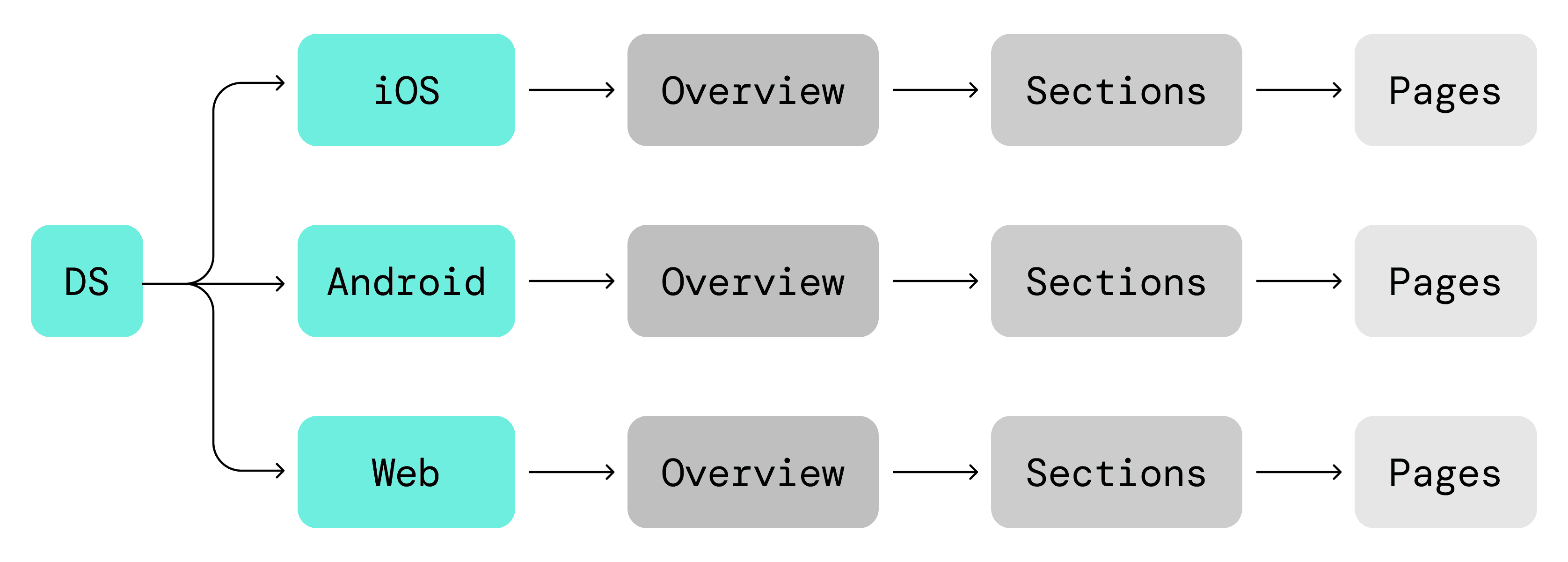
The design system is organized into three separate Figma files:
iOS
Android
Web
Each file follows an identical hierarchical structure to ensure consistency and ease of navigation.
File Structure
Each platform file is divided into:
Overview
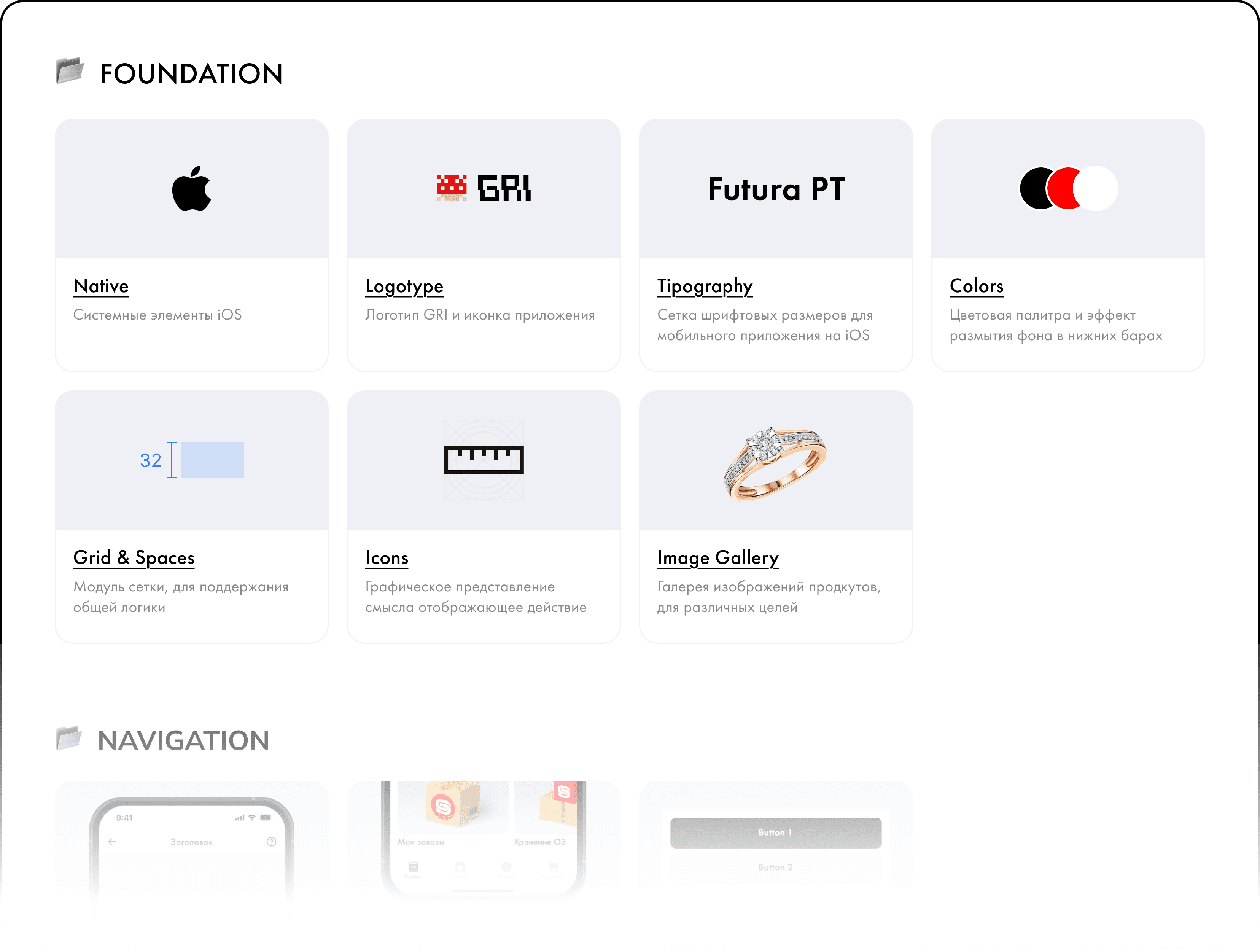
High-level introduction with links to component pages
Sections
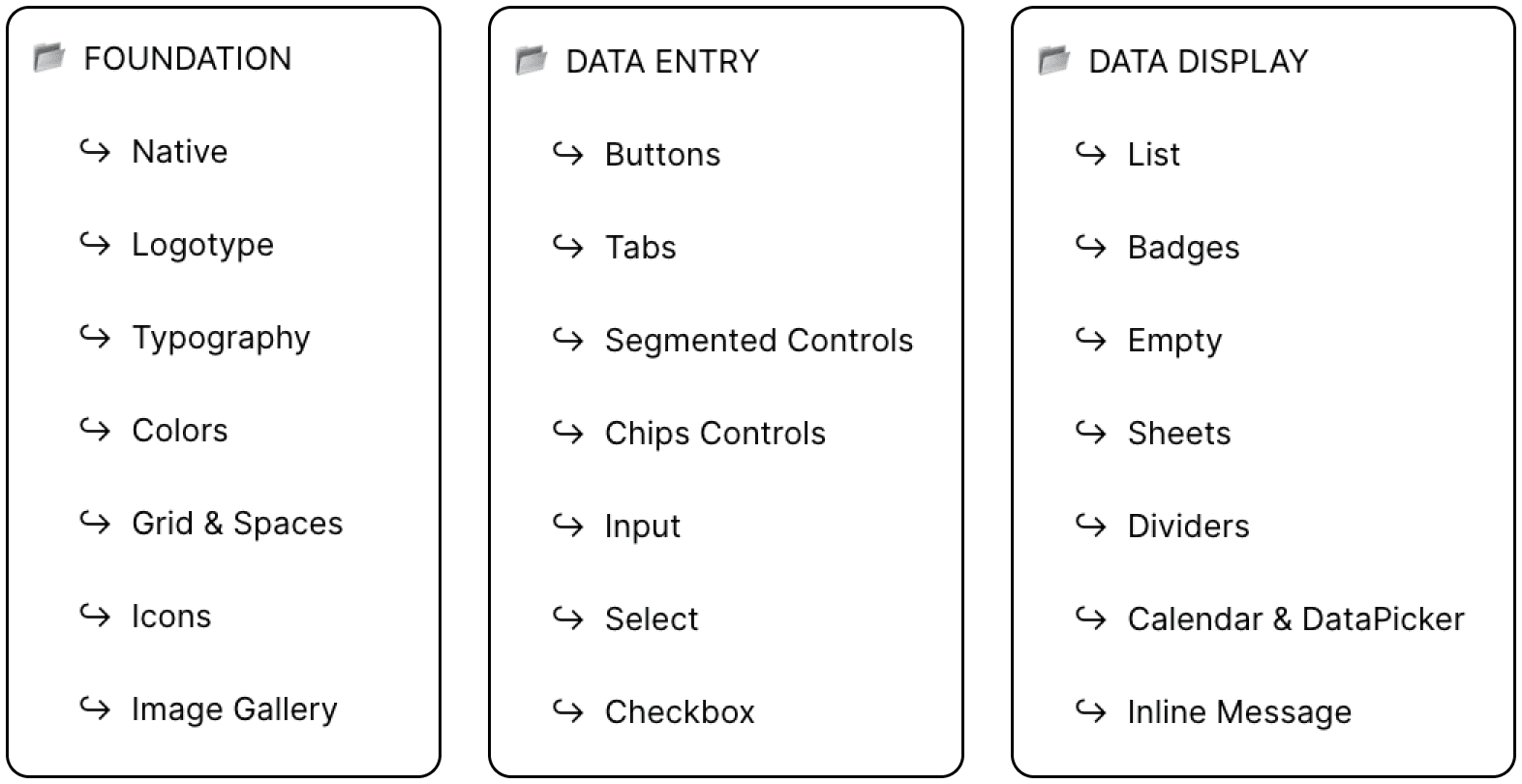
Logical grouping of components
Component Pages
Detailed documentation and usage of each element
This structure allows designers and developers to quickly locate and understand components.
Methodology
The system is built using the principles of Atomic Design, ensuring scalability and modularity.
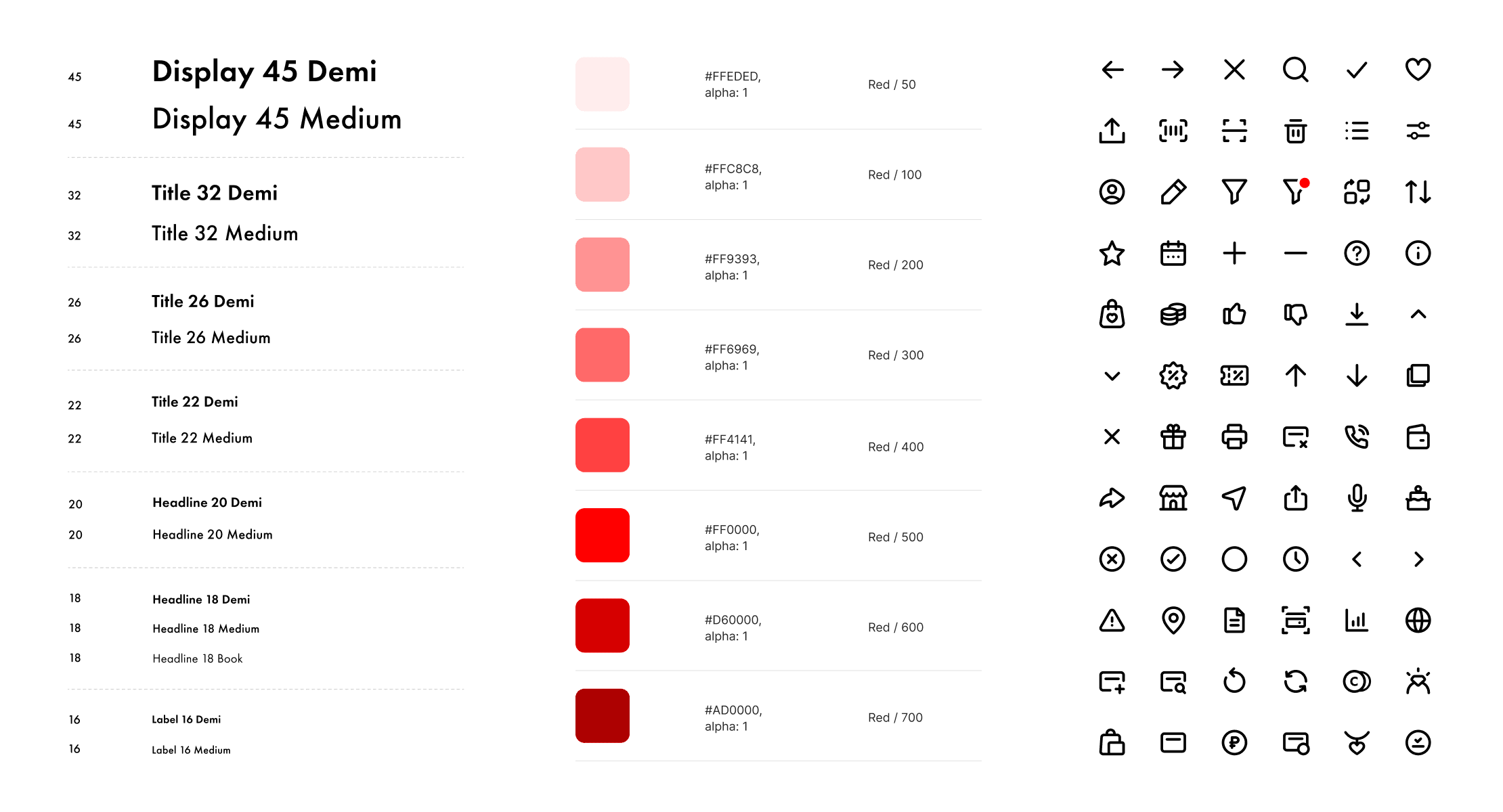
Atoms
Foundational elements such as:
Typography
Colors
Iconography
Spacing and grids
Molecules
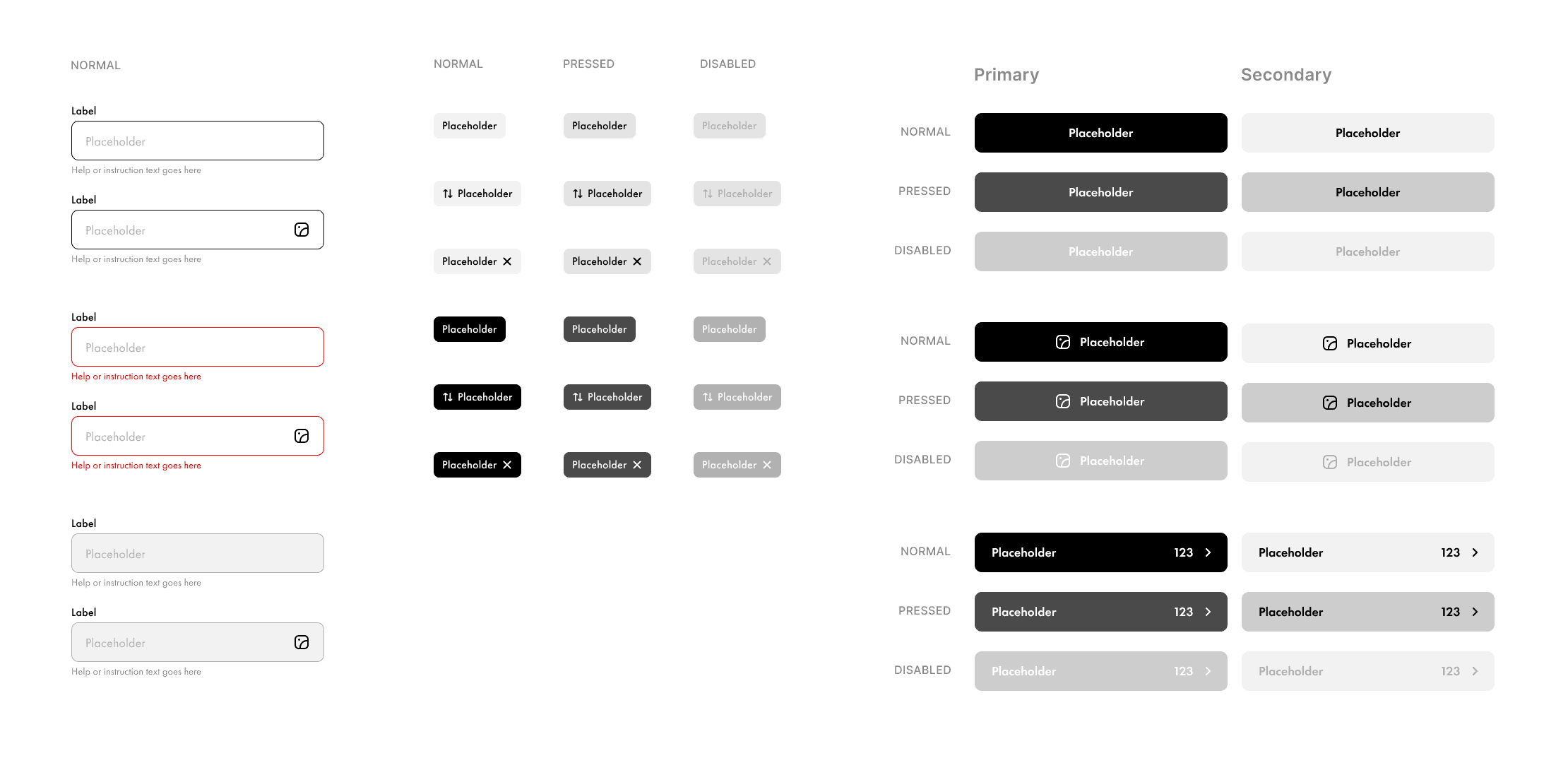
Combinations of atoms:
Buttons
Input fields
Search bars
Tags and chips
Organisms
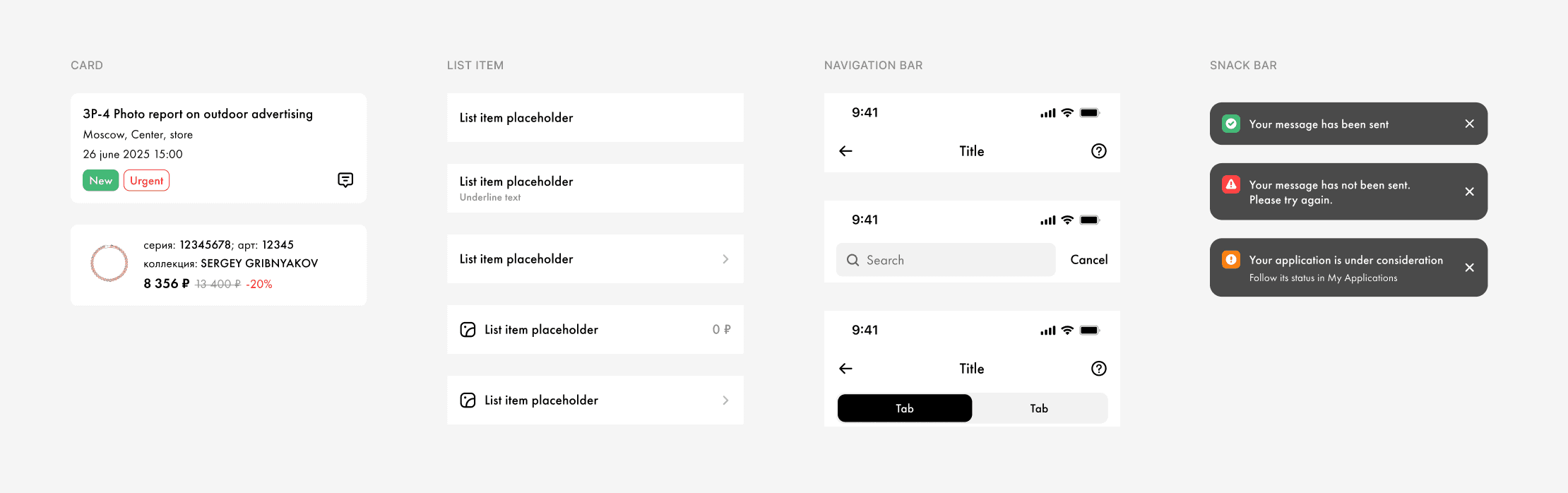
More complex components composed of multiple molecules:
Cards
List items
Notifications
Navigation bars
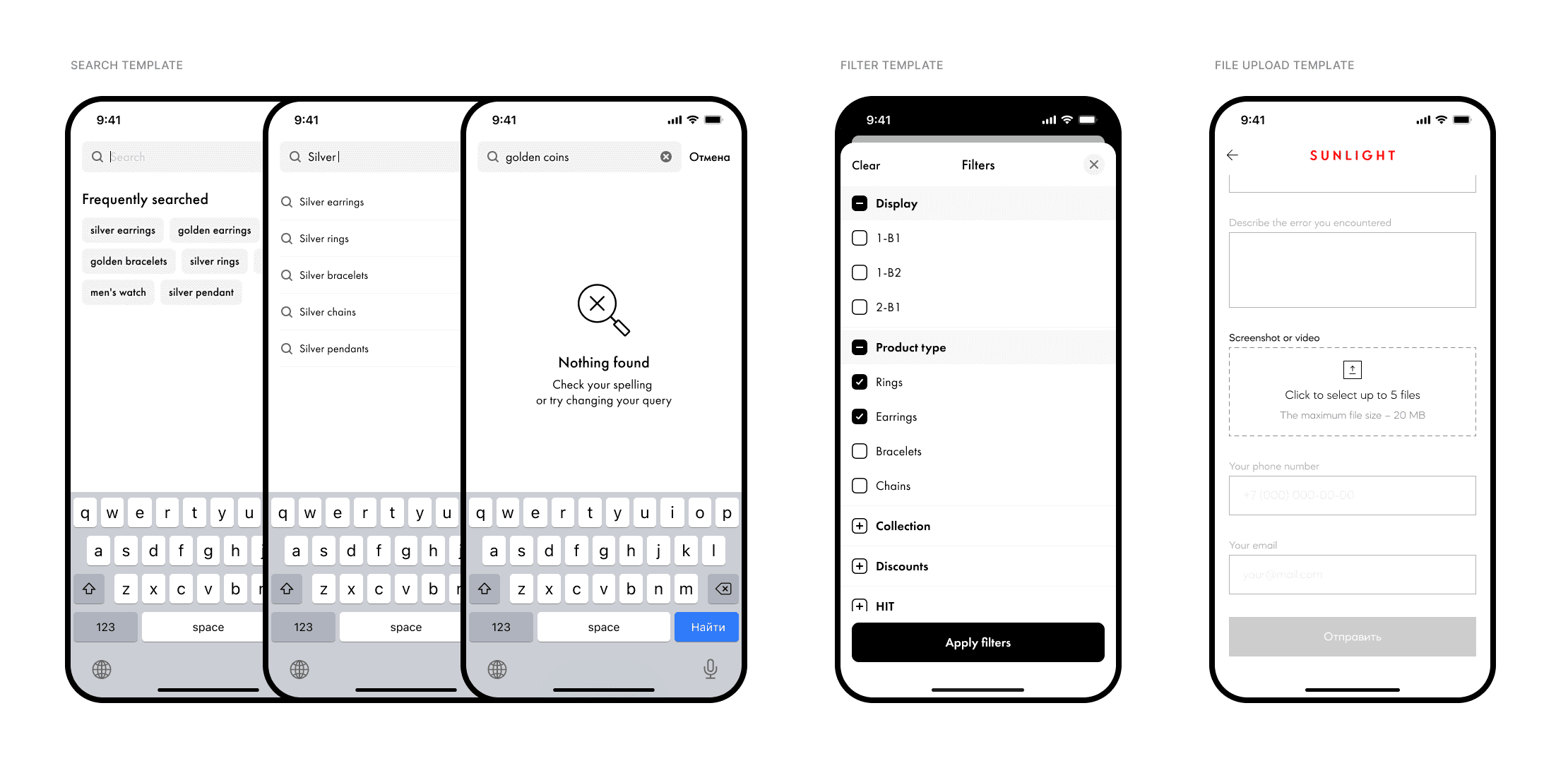
Templates
Page-level structures that organize components into layouts:
Search
Filters
File Upload
Component Page
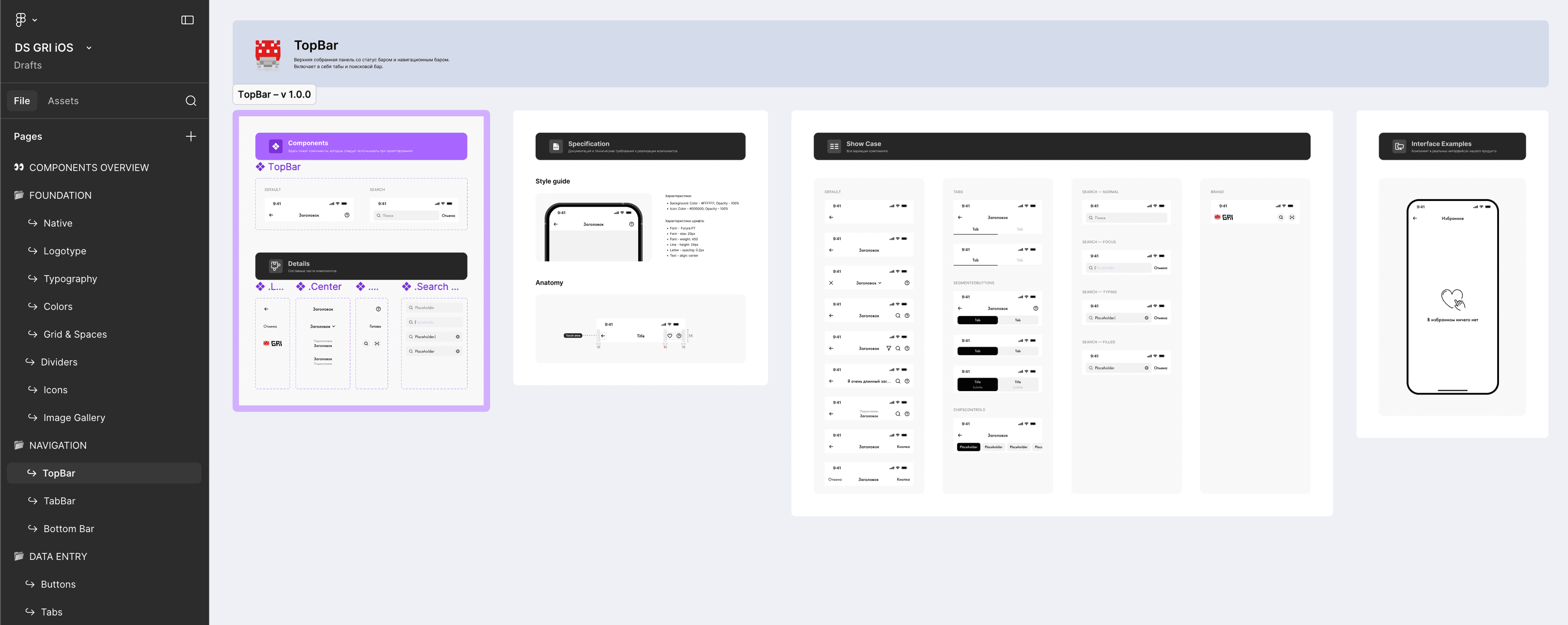
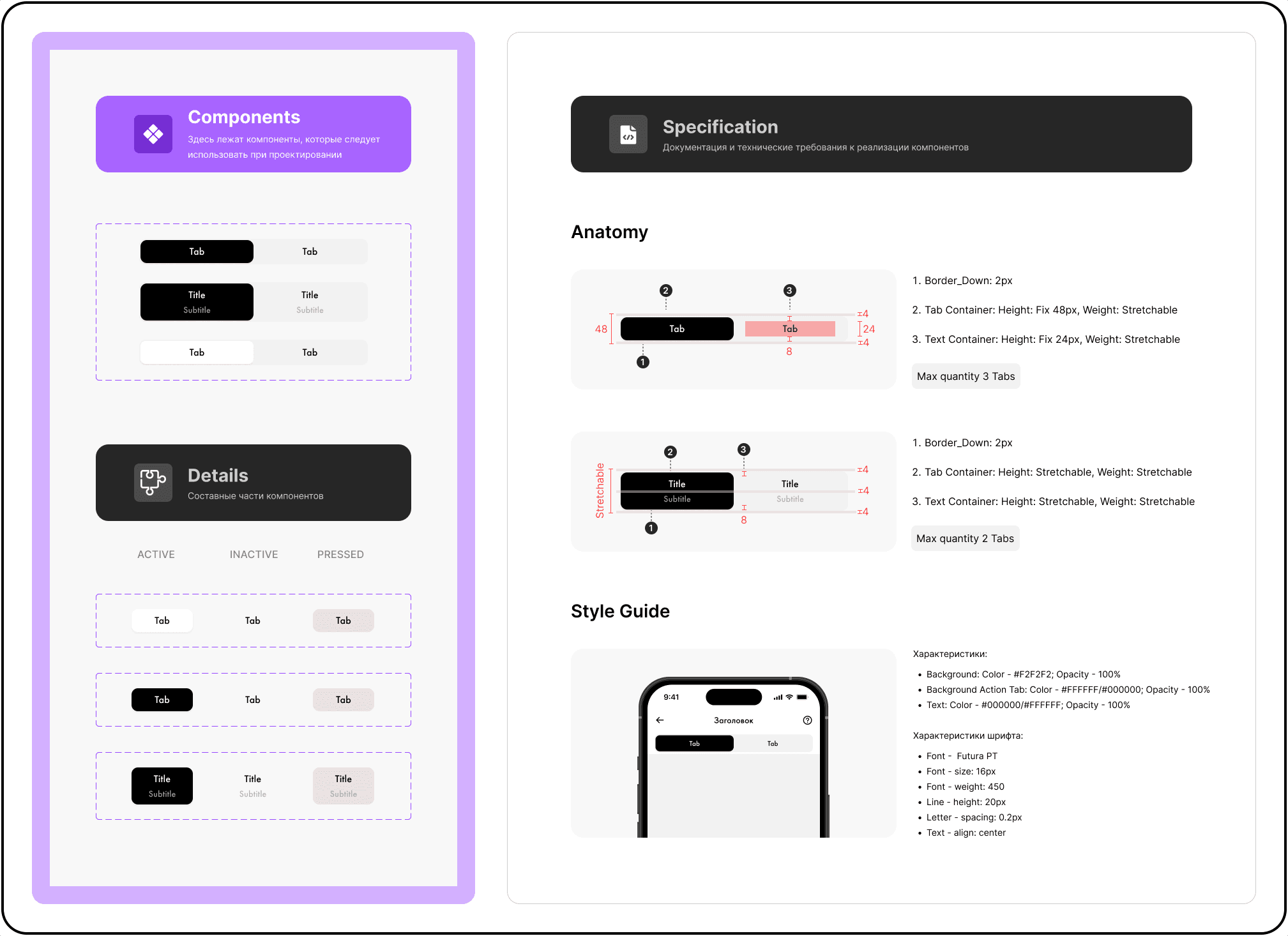
Each component page is designed for clarity and usability, containing:
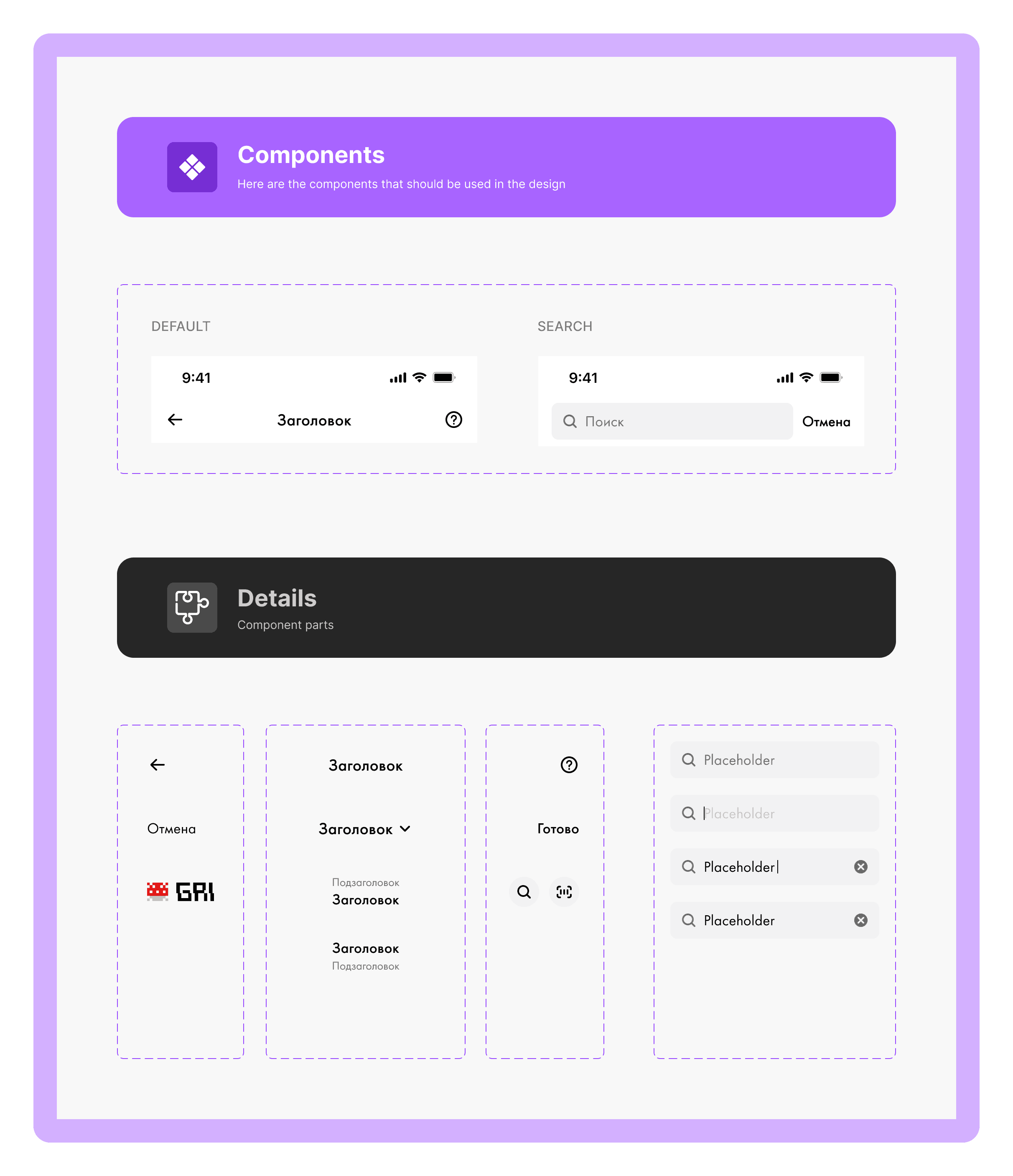
1. Component
Main component, its variants and parts
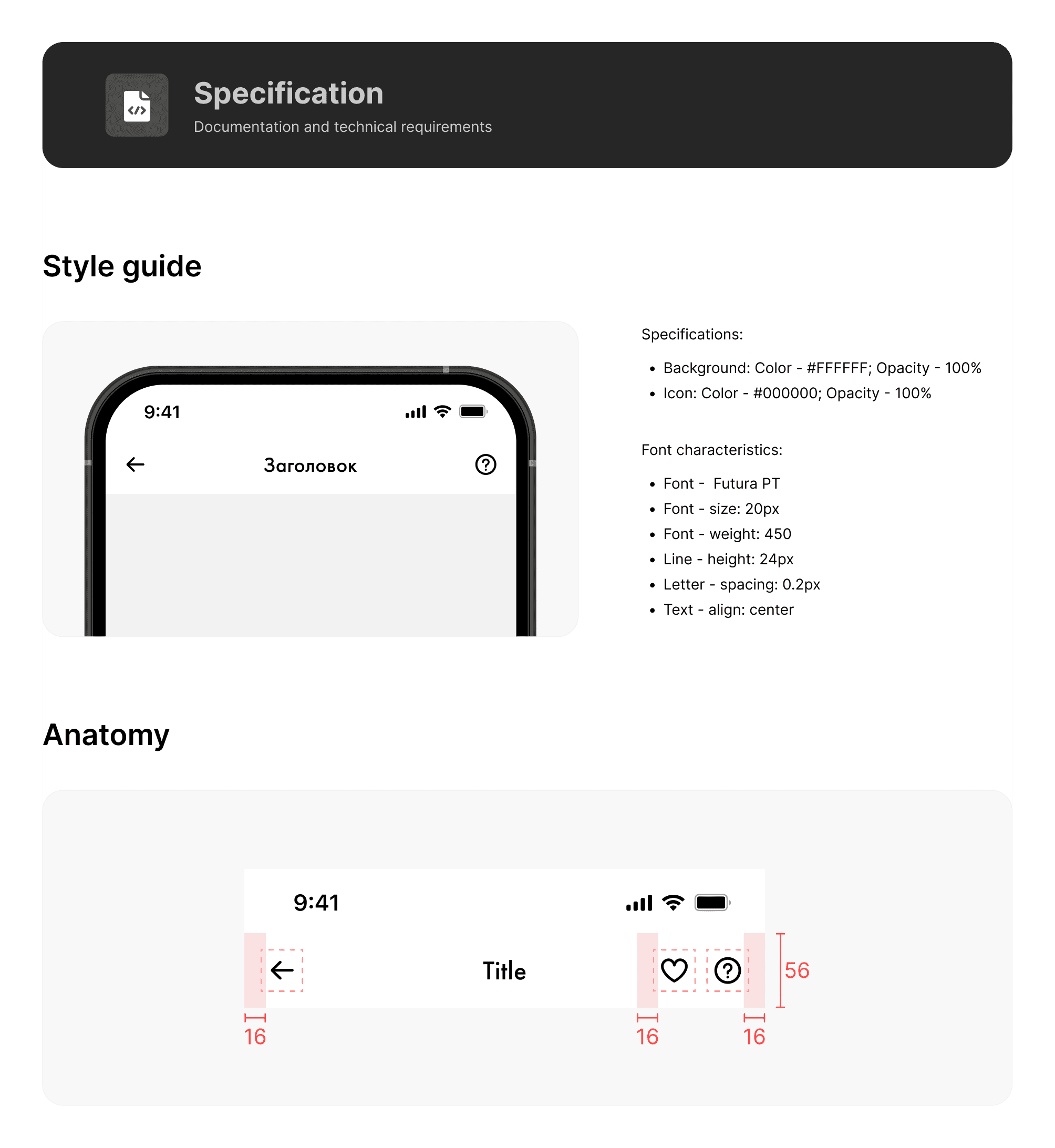
2. Specification
Dimensions
Spacing
Behavior notes
Additional guidelines
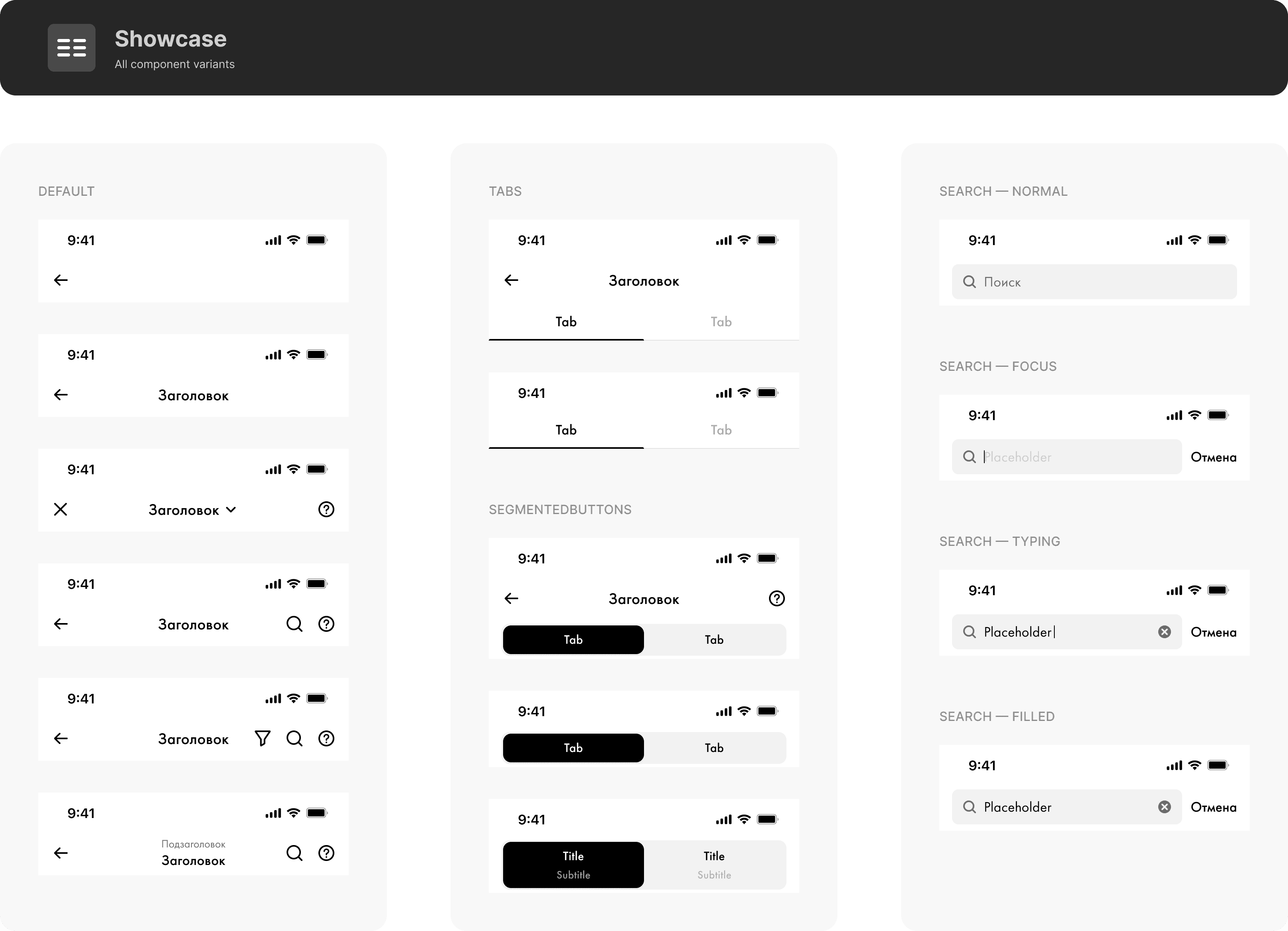
3. Showcase
Visual overview of all variations
Helps teams quickly compare and select appropriate versions
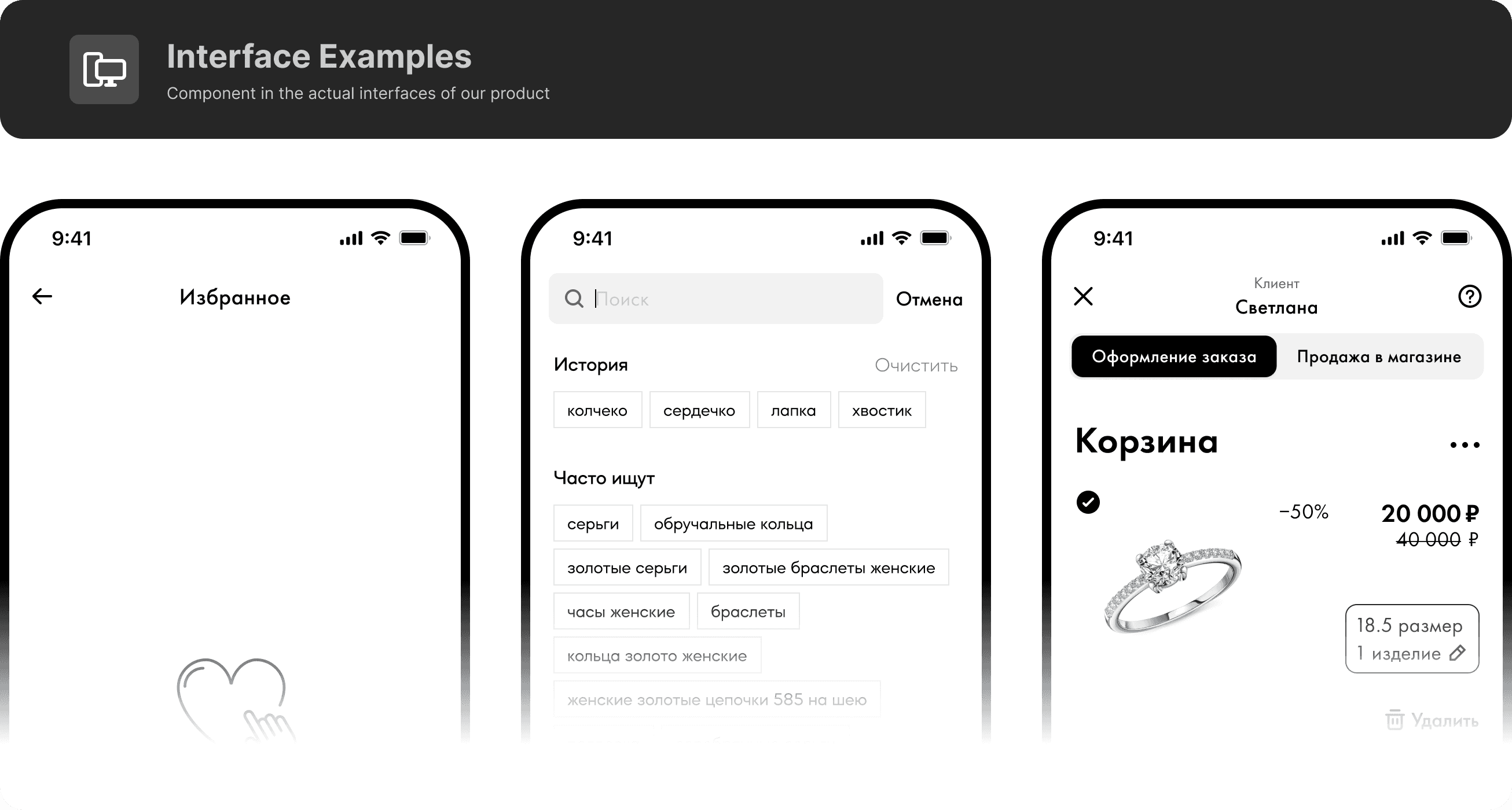
4. Interface Examples
Real product screens demonstrating usage
Provides context and best practices
Outcome
The GRI Design System significantly improved both design and development workflows:
Faster interface creation through reusable components
Improved visual consistency across all platforms
Reduced duplication of work
Stronger alignment between design and engineering
Living System
The design system is not static — it evolves with the product.
New components are added as needed
Existing ones are refined based on real use cases
Organisms and templates grow organically from foundational elements
This approach ensures the system remains relevant, scalable, and sustainable over time.